


18 Nov After 3 Years I Returned to Instagram and I Hate How it Made Me Feel
Three years ago, almost to the day, I quit Instagram. Three weeks ago I set up a brand new account and started posting again. Today, I’ve closed that account down because, not to put too fine a point on it, I hated the very noticeable effect it was having on me.
I’ve been following the Facebook whistleblower story closely over the last month via the Wall Street Journal’s The Journal podcast. One of the leaked findings from Facebook/Meta’s own research was that Instagram can have a negative effect on mental health, and specifically the mental health of teenage girls. Although it was much more focused on Facebook itself than Instagram, I published a special podcast about the story on 3 November, to which I recommend you listen.
Interest Over Ethics
When it came to setting up a new Instagram profile, I was unsure about it. Not because I’m a teenage girl susceptible to body dysmorphia, but because ethically I find it hard to reconcile using Meta’s social networks when I fundamentally dislike the way it puts profit before people. Establishing the account made me a hypocrite, and that made me uncomfortable. But I went ahead anyway.
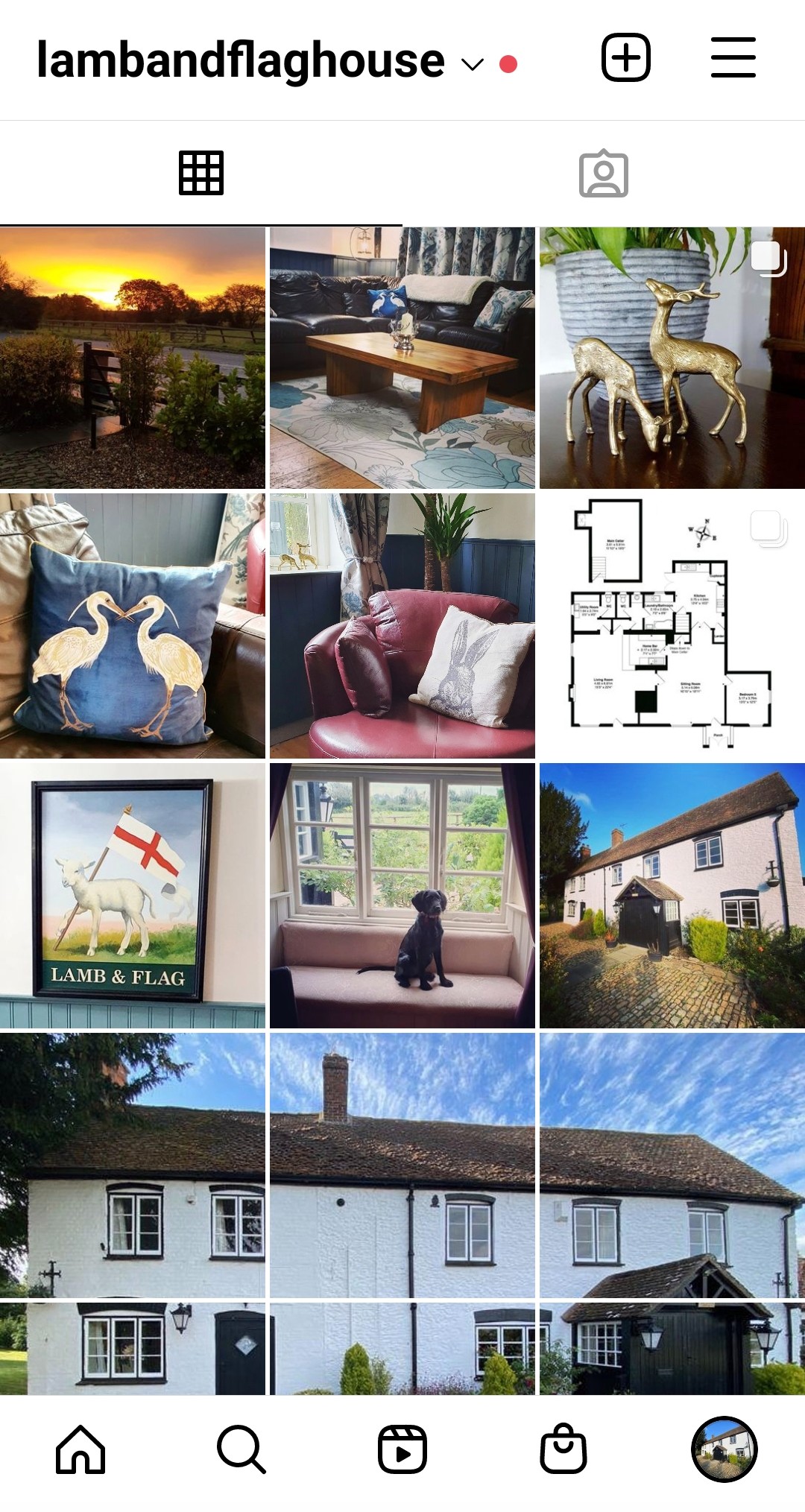 The profile was dedicated to my new home, an 18th century former pub, and was intended to chart the renovations we’re carrying out over the next year or two. I thought it’d make a lovely record for my wife and I, and that it’d be interesting for others. And that’s the way it started out.
For a couple of weeks I posted away merrily, enjoying laying out the history of the building and interacting with others who are renovating old buildings. It felt like a real community space and I picked up a few hundred followers pretty quickly through effective hashtag research and use.
Creeping Concerns
About a week ago, I caught myself starting to feel a little pressure about what to post, and when to post it for maximum reach and engagement. I turned on notifications for comments; something I’ve not had on my mobile for a very long time. It was nothing anxiety-inducing, but enough for me to notice my behaviour.
Shortly after that I switched my profile to a business account because I wanted to use the analytics to see what was happening. And oh my lord the difference that makes to reach! Within the space of two or three posts, my reach dropped by approximately 70%! Visibility across Instagram fell off a cliff just because I ‘might’ be a business user who would pay to promote posts. That in itself is shocking and evidence of the way Meta treats businesses.
Becoming aware of these feelings, I noticed myself starting to check the app more often for updates from others and for engagement on my own posts. And my weekly ‘screen time’ update told me that Instagram was now the app that I spent most time on by far, even eclipsing the web browser.
Signs of Addiction
Over the course of several days it dawned on me that I was starting to display very early signs of Instagram addiction. The stuff you read and know about but ignore. Addiction to checking for likes. Addiction to spending too much time thinking about your next post or Story. Addiction to just opening the app to scroll down your home feed. In my case, addiction is far too strong a word and is perhaps a little over-dramatic. But ‘compulsion’ is close to the mark.
And perhaps worst of all, I started to feel pangs of envy when I saw pictures of other renovators’ beautiful houses and perfectly laid out living rooms. I love my home. I mean, love it. It was a dream to move here back in March. So why would I even want or need to compare my house to others’?
President Theodore Roosevelt once said “comparison is the thief of joy”. On Instagram there’s always someone doing a better thing or looking better or having a better life. It doesn’t matter how good your own thing/looks/life is and how great you feel about it; compare yourself to others and you’ll always come up short.
It’s incredible to me just how quickly these feelings of compulsion and social comparison hit me. Inside of three weeks of setting up a profile it had started to impact my mental health, even if in a very minor way. That’s pretty shocking.
Self Awareness
Yesterday I came to one very blinding conclusion. I am a 49 year old man with a family who knows better. I do not want or need this in my life!
I’m thankful that I’m self-aware enough to recognise how I was feeling and to take action to stop it. Instagram is just not that important. I’ll still take pictures of the renovation, but I’ll store them in my private Dropbox account instead.
But not everyone has that self awareness. Especially those a lot younger than I am coming to this stuff for the first time. I have a daughter who’ll soon be asking me for an Instagram profile, and how I’ll deal with that I don’t know. I can completely see how those leaked documents detailing how Instagram exacerbates body image issues among one in three teenage girls are rooted in fact. And that’s really not good.
The caveat, if there is one I guess, is that I wanted to build a following. It wasn’t a profile for posting casual snapshots. So maybe it’s different if you don’t take that on yourself. But don’t most people want ‘a following’ nowadays? Don’t most people want people to ‘like’ their posts? Don’t most people get sucked into social comparison whether or not they want to? Isn’t that why Instagram can be bad for our mental health?
So Instagram is gone for me. Once and for all. I’ll miss the community that was starting to build around my profile. Some of the people were lovely and I’ll miss their ideas and the inspiration it gave me. But I won’t miss the urge to check in or the pressure to post or the stupid games Instagram plays with throttling the reach of business accounts. And I will definitely not miss the way it made me feel about myself.
